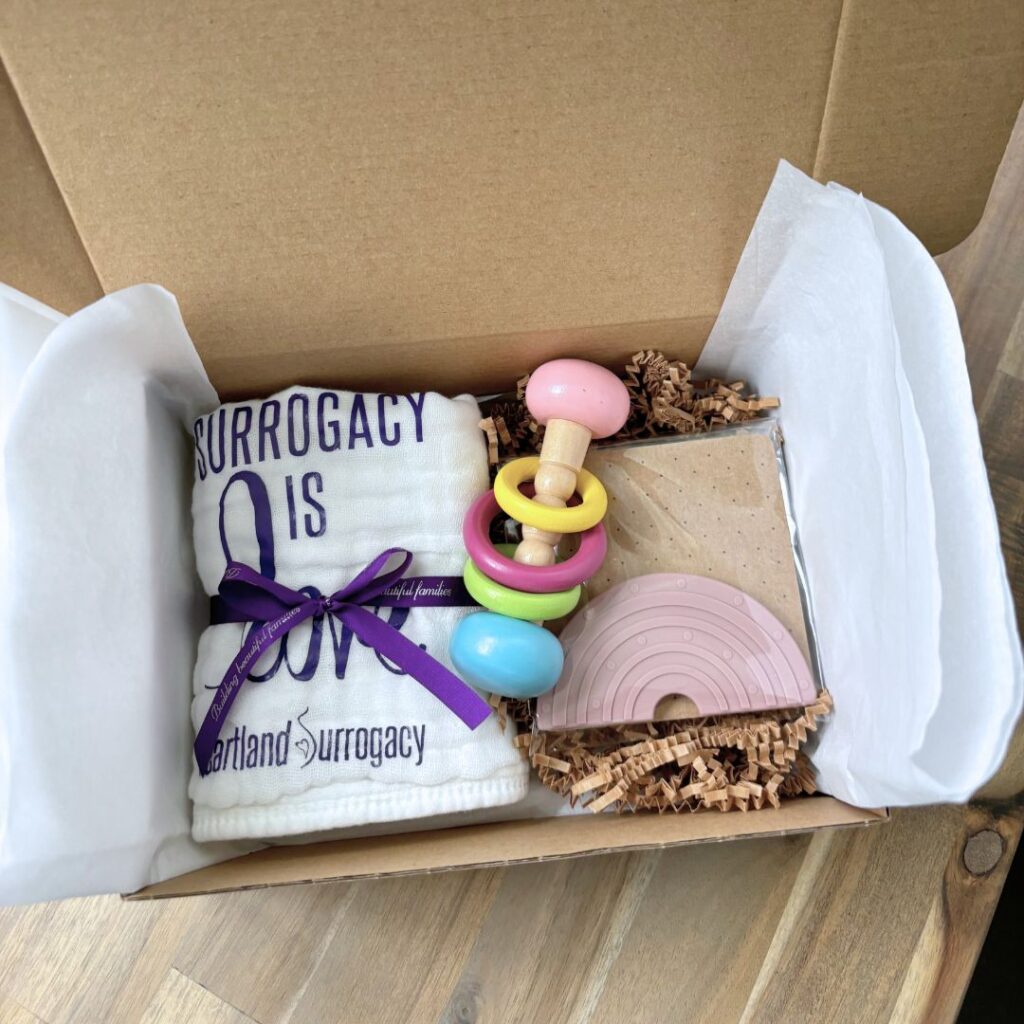
Preparing for Your Baby’s Arrival After Surrogacy
A practical guide to help intended parents feel prepared, from pregnancy updates to the birth plan, travel, and those first days together

Surrogacy asks a lot of you, long before your surrogate is even pregnant. And as the due date gets closer, it’s normal for preparation to feel like a mix of checklists and heartbeats.
You may find yourself riding waves of emotion as the big day approaches. Some days are filled with concrete steps: signing legal documents, making travel plans, and reviewing the details that keep everything moving. Other days are quieter, and the waiting can leave room for your mind to race ahead: Will everything go smoothly? What will it feel like to finally hold my baby? Am I ready?Preparing for a baby someone else is carrying is a unique experience, and it can feel isolating when people around you haven’t lived it. You don’t have to figure this out alone. At Heartland Surrogacy, we’re here to support you and your surrogate through the final stretch so you can feel steady, informed, and ready for the beautiful family you’re building.
Here are a few meaningful ways to stay connected and prepare, one step at a time.
While You're Waiting
Connection Without Pressure
As in any pregnancy, your relationship with your baby can begin before birth. Participating in prenatal appointments (in person or virtually, when appropriate) and sharing meaningful moments with your surrogate can help you start building that bond.
Talking through practical plans together, like your birth preferences and a feeding plan, can also help you feel more grounded and ready to step into your role as a parent.
Communication Expectations
Build Your Village Early
Many expecting parents enjoy celebrating with family and friends, whether that’s a baby shower, a small “sprinkle,” or even a welcome-baby gathering after birth. A registry can help with the practical needs, but your community can also be a source of real-life support: hand-me-downs, favorite baby items, and the kind of encouragement that matters when you’re tired and figuring things out in the early baby stages.
As you picture what your transition into parenthood may look like, it can be especially helpful to connect with people who have become parents through surrogacy. If you’d like, we can help introduce you to intended parents in the Heartland community.
You can also find supportive online communities, including social media groups, where parents share what helped them. Just remember to prioritize your privacy and choose spaces that feel respectful and steady.
Small next step: Choose two or three people you can lean on in the coming months, and let them know what kind of help would feel most supportive.
As delivery approaches, many intended parents feel calmer when they have a clear plan for the hospital, travel, and the first days with baby, so let’s walk through what to think about next.
Choose a Pediatrician
Your baby will be seen by a pediatrician in the hospital after birth. If the delivery is away from home, the hospital will typically have an on-call provider who can evaluate your baby in those first hours. If you’re local (or have a pediatrician selected in advance), your chosen provider may see your baby, depending on hospital policies.
Choosing a pediatrician is an important, and often personal, decision. Start by gathering recommendations from friends, family, and trusted medical providers. As you compare options, consider the following factors:
- Insurance coverage: Confirm through your insurance portal that the provider is in-network.
- Location: Choose a clinic that’s realistic to get to with a newborn (near home, work, or childcare).
- Availability: Ask about after-hours advice, same-day sick visits, and urgent care.
- Fit and support: Look for a provider who listens well and can partner with you in your family’s values, lifestyle, and health goals.
Many pediatricians offer brief consultations before the birth so you can get a feel for their approach and decide if they’re the right fit. You can ask about topics like immunizations, antibiotic use, and how they support parents through common newborn concerns. Once you’ve chosen, let the office know you’re expecting and ask how to schedule baby’s first appointment.
As delivery approaches, many intended parents feel calmer when they have a clear plan for the hospital, travel, and the first days with baby, so let’s walk through what to think about next.
Planning for Delivery Day
Your Birth Plan (And Backup Plan)
Mid-pregnancy is a good time to begin a birth plan with your surrogate. We’ll provide a surrogacy-specific form you can work through together so nothing important gets overlooked. The goal isn’t perfection, it’s clarity: understanding each person’s preferences, setting expectations, and making room for flexibility when plans change.
Your birth plan can include preferences for labor, delivery, postpartum care, and newborn care. It should also cover “what if” scenarios, like potential NICU needs, travel delays, or a quick labor, so you’re not making stressful decisions in the moment.
Here are some topics to talk through together:
– Labor and comfort preferences, and who your surrogate wants in the room
– Who will hold your baby immediately after birth
– Who can make medical decisions for baby if you’re delayed or unable to be present
– Whether baby will room with you or stay in the nursery (depending on hospital policies and availability)
– Feeding plans (formula, breast milk, or both) and how that will be handled in the hospital
Legal Readiness Without Overwhelm
Well before birth, your attorney will help you obtain the legal paperwork needed for your specific circumstances. When you receive those documents, take time to become familiar with them and pack copies in your hospital bag, including a copy of your Gestational Surrogate Agreement (GCA).
Travel Accommodations
If you are not local to where your surrogate will give birth, it helps to begin planning travel around mid-pregnancy. Some parents book flights early to reduce costs, and choosing fares with minimal change fees can offer peace of mind if plans shift. Even if you prefer to book later, decide ahead of time where you’ll purchase flights and who will handle arrangements if labor starts quickly.
Unless there’s a scheduled induction or C-section, timing can be uncertain, so many intended parents choose to arrive early. Depending on the situation, that might mean arriving two weeks to a month before the due date. That kind of flexibility isn’t always easy with work, cost, or other children at home, but planning for it early can reduce stress later.
For longer stays, extended-stay hotels or vacation rentals can help lower costs and make newborn care more comfortable. Having a kitchen and laundry can be especially helpful in those first days.
The Hospital Phase
What to Pack
As mentioned above, bring an extra copy of your GCA in your hospital bag, along with any other legal documents your attorney recommends. It’s also helpful to have insurance information handy, such as your member ID number and the plan’s customer service phone number, so you’re not searching for it in a high-stress moment. Coverage and timing can vary, but having the information accessible makes things easier.
In addition to typical newborn essentials (clothing, diapers, feeding supplies, and a carseat), think about what you’ll need if you’re traveling or staying nearby for an extended period. Many hotels can provide a crib, but if you’d rather bring your own or your lodging can’t accommodate one, a lightweight travel crib can be a practical option for the first days and for future trips.
What to Expect
In all likelihood, delivery day will be a whirlwind of emotion: joy, nerves, relief, and a sense of “is this really happening?” Because you’ve already talked through your birth plan and backup plan, you may find it easier to stay grounded and make decisions even when you’re feeling a lot.
Some details will depend on the day and the hospital’s policies, especially room availability and where baby can stay. Things may look different than you pictured, but hospital staff will walk you through the next steps. We’ll also be available to support you as questions come up.
Your surrogate will also need continued care and rest after delivery. Having a plan for how you’ll connect after the birth can help everyone feel respected and supported in a very meaningful moment.
Once you’re through delivery day, attention quickly shifts to the first practical decisions: care, feeding, and those early routines at home.
New Parent Support
Two important factors for success as new parents include logistical and emotional support. The newborn stage, as in much of parenthood, can be a combination of highs and lows, joy and frustration, confidence and bewilderment. You will need to have someone who can provide moral support during those times. A close friend, postpartum doula, relative, or therapist can be a great sounding board and guide.
The reality is, that even after working so hard to have your baby, there will still be difficult moments. To expect otherwise would place an undue hardship on yourself. Whether facing fertility obstacles or not, having a baby changes one’s life and can create mixed emotions.
Logistical support can take many forms. Some new parents like to have the new grandparents help during the newborn stage. Other close family members/friends with baby experience may also be available to help. Support services such as food delivery and housekeeping reduce the burden of household management on the new parents. For newborn care, a postpartum doula can assist with areas such as feeding, sleeping patterns, and mental health of the parents.
Like in your surrogacy journey, your life with your new baby will likely start with some surprises and unknowns. Preparing what you can ahead of time can alleviate stress and leave you ready to focus on your new family. As always, lean on your support system (including us!) and set yourself up for success.
Plans for Your Surrogate
Are you planning on sharing a commemorative token of the birth or journey with your surrogate? Plan ahead for this because once your baby arrives, your mind will be elsewhere! If you would like to give her a card, write it out ahead of time. You can always add more later, but this way you have an opportunity to relay some of your thoughts. If you are planning on a gift, we recommend purchasing it ahead of time.