
Can you exclusively pump after surrogacy? Here’s how
Exclusively pumping as a surrogate is a powerful way to continue your journey of giving. It asks you to balance your own recovery with a newborn’s needs and the logistics of getting milk from your hands to the parents.
It can mean early alarms, cooler bags, and tracking ounces instead of latch times. In this post, we’ll walk through how to plan your pumping journey (before and after birth), build and maintain supply without nursing, set up smooth handoffs, protect your sleep and mental health, and decide when—and how—to wean. This is your practical, judgment-free guide to making it sustainable for everyone involved.
Before the Birth
During your match meeting, our team will help you and the intended parent(s) (IPs) discuss goals around newborn feeding and breastmilk. Because this meeting takes place a year or more before the birth, we will bring the topic up again in the months leading up to the birth. Some questions to consider include:
- Do the intended parents want you to breastfeed or pump in the hospital? How do you feel about that?
- How long do the intended parents foresee wanting breastmilk?
- How long do you think you will want to provide breastmilk?
- If you are local to your IPs, how often will you meet to obtain the milk?
- If they’re not local, how often will you ship?
Pumping requires a large amount of time, effort, and patience, and we want you to be compensated appropriately. Because breast milk volume can vary greatly, surrogates are typically compensated a flat fee for their efforts, either weekly or every other week. You can see typical rates for pumping milk here.
Preparing Pumping Supplies
In addition to compensation for your time, all supplies and shipping costs are the responsibility of the IPs. The terms of compensation for pumping breastmilk are often included in your Gestational Carrier Agreement. If they are not, a simple addendum to the contract can be created later on.
While the intended parents are getting their nursery ready and picking out a name, a surrogate who is planning to pump should be getting her pump and supplies ready to go. With exclusively pumping, it is important to have a good pump – a hospital grade pump if possible. These can usually be rented from a hospital or there are options for purchase. There are several online sites you can order a pump from using your health insurance, such as Edgepark or Aeroflow.
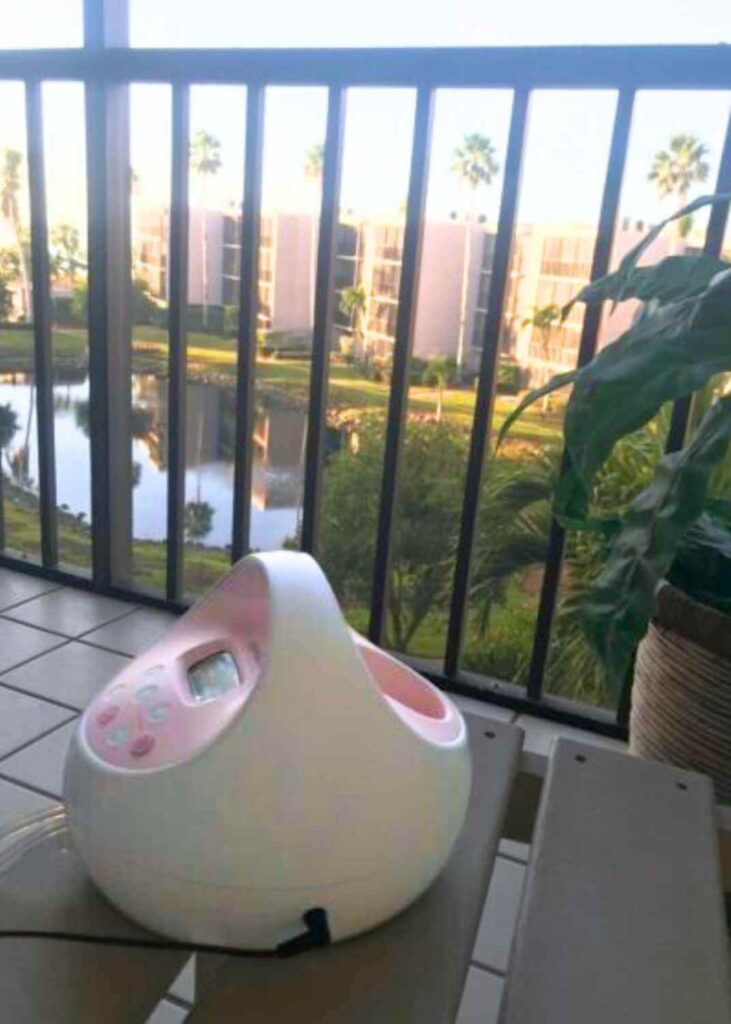
Additionally, the following supplies can be helpful:
- Breastmilk storage bags
- Nipple lubricant or coconut oil
- Hands free pumping bra(s)
- At least 3 sets of parts for your pump and extra bottles
- Bottle brushes and a drying rack
- If you’re pumping for a milk bank, or want to sterilize your parts regularly, an electric sterilizer such as the Wabi is essential.
Note: You will need to replace your pump parts every few weeks if you are pumping frequently!
Your Pumping Journey
When exclusively pumping after a surrogate pregnancy, there can be both physical and emotional challenges. In addition to the logistics of producing and collecting milk, there may be factors related to your surrogacy journey that can play a significant role during this time.
For many people, the body responds to pumping differently than it does to directly breastfeeding a baby. Sometimes, milk can be slow to come in after delivery, which can be frustrating when you pump and see little to no results. Sticking to a schedule is very important, as it can mimick how often a baby would eat. Pumping every 2-3 hours for about 30 minutes each time is a good schedule to start with.
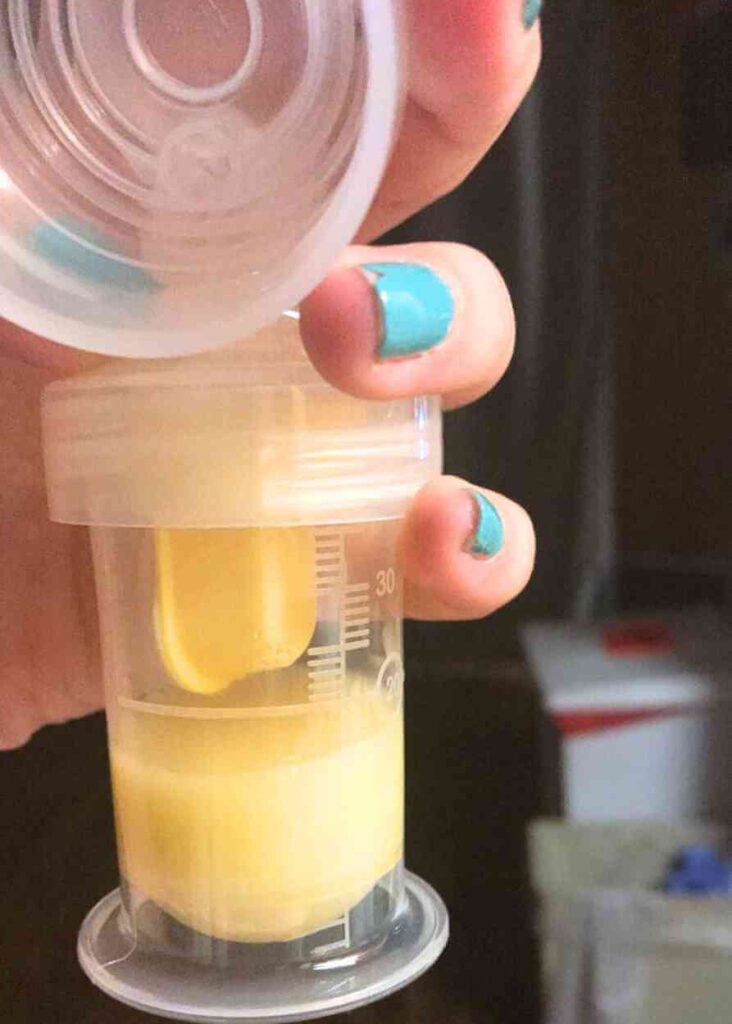
Over time, you can spread out your pumping sessions, just as a baby would spread out how often they eat. Using a heating pad, breast massage, and sounds of a baby crying can help increase milk supply. Additionally, getting proper rest and nutrition can help immensely (we know, easier said than done as a parent!).
The Emotional Side
While you know to expect some physical challenges, the emotional challenges of pumping take many surrogates by surprise. Surrogates pumping for their surrobabe (or surrobabies!) may feel pressure to produce a certain amount of milk. Because bodies respond differently to pumping, you may have nursed your own children without problems and still struggle to pump enough to feed the baby(ies). Other people may produce significantly more than one baby needs, but still feel a pressure to maintain supply so they can build up a stash or donate to a milk bank and “spread the love.”
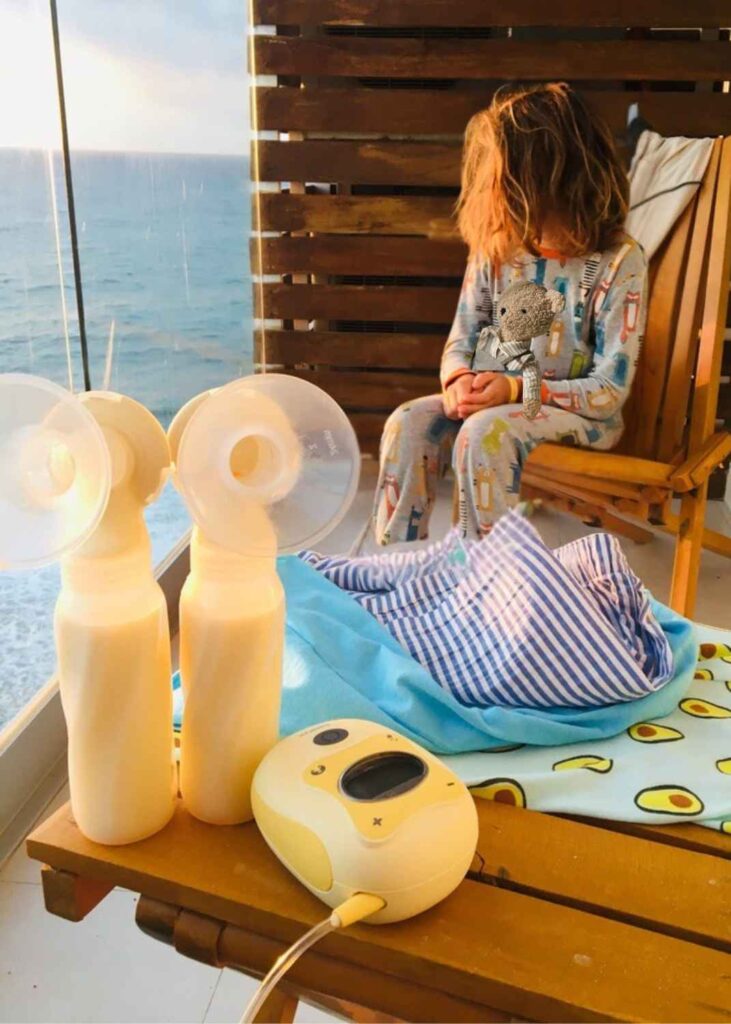
Some surrogates also feel guilty about the amount of time that pumping takes them away from their family and scheduled activities. There is also the awkwardness of pumping in public (and the questions that come with it!) without a baby around to feed. On top of all of this, you may have significant hormonal changes that can have an effect on emotions, as in typical breastfeeding situations.
Regardless of whether you are experiencing physical or emotional challenges (or both!) finding support can make a huge difference in your pumping journey. Our team is happy to connect you with certified lactation educators (including Amber Deming, our Program Coordinator!), as well as other Heartland surrogates who share this unique experience. There are also several relevant groups on Facebook, such as “Exclusively Pumping after a Surrogate Pregnancy” or “Surrogates Pumping Milk” where people share their stories and tips for success.
Freezing and Shipping
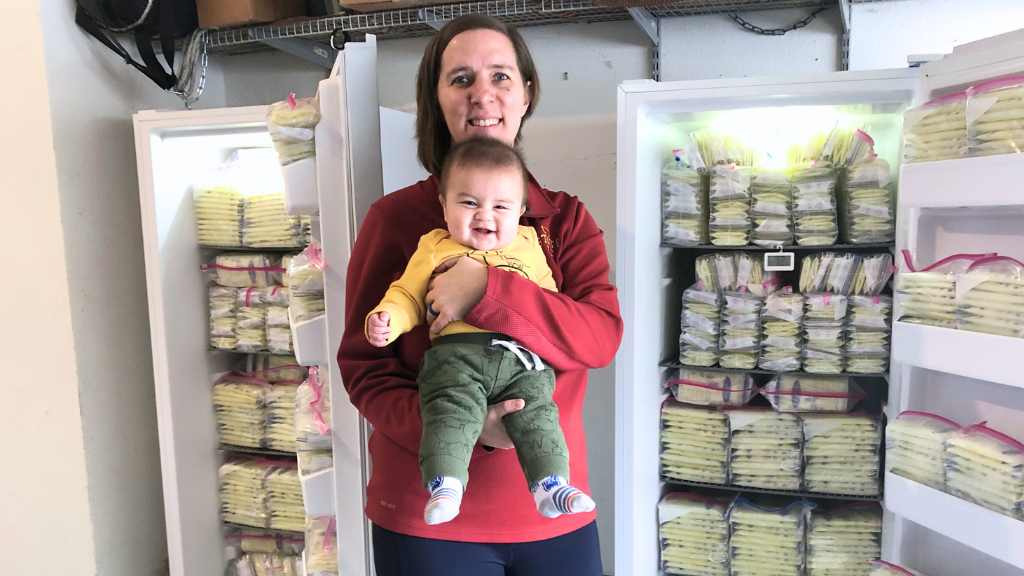
Unless you and the parents are local to each other and breastmilk is being picked up every few days, it won’t take long before a your freezer will start filling up with milk! These tips for freezing and storing breastmilk efficiently can help:
- Don’t overfill the breastmilk storage bags. They freeze the flattest with about 4-5 oz/bag.
- Freeze the bags lying flat on a cookie sheet or even between two cookie sheets.
- Once frozen, the breastmilk storage bags can be stored as “bricks”: 12-15 bags in a gallon-sized, flat-bottomed zipper bag.
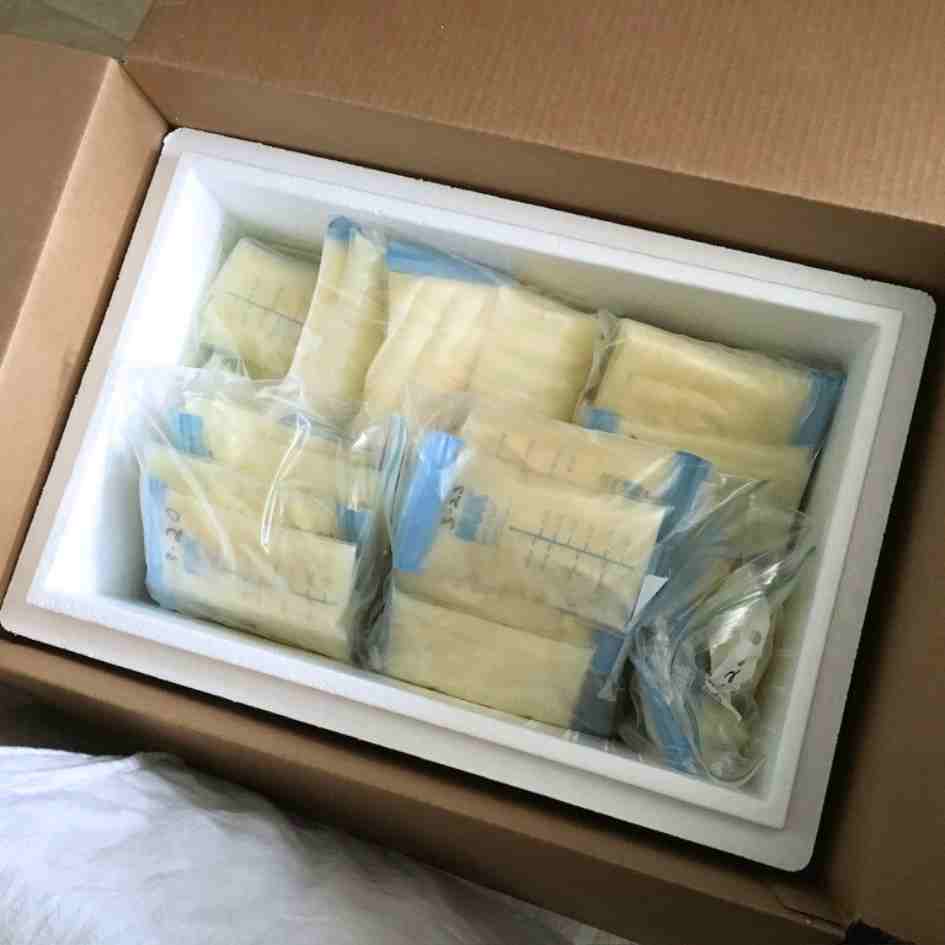
This is Heartland Surrogate Anna packing milk to send to Maggie, the baby girl she carried for parents Andrew and Jeramie. You can follow their full journey on their Facebook page.
When it is time to ship, make sure the milk is tightly packed in an insulated cooler and box. Depending on how far you’re shipping, the method of shipping you choose (overnight, 1-day, or 2-day), and the time of year, you may need to include ice packs or dry ice. Many surrogates find that milk coming from a deep freeze will stay frozen, even without additional ice, if the cooler is very tightly packed and arrives within 24-48 hours.
As with other supplies for pumping, any expenses related to shipping will be paid for, or reimbursed by, the IPs. To simplify the process, many IPs will order supplies online, such as breastmilk storage bags, cooler boxes, and ice packs, and have them shipped directly to the surrogate. Some shipping companies, such as FedEx or UPS, will allow IPs to set up a billing account that can be used by the surrogate to ship the milk.
Weaning
The process of stopping pumping, or weaning, can take time. Because there is no baby to slowly spread out feedings or eat less per feeding, you have to be intentional about reducing pumping time. This is best done over the course of a few weeks, or sometimes months if you are an overproducer. If done too quickly, weaning can result in clogged ducts or mastitis.
Products such as “No More Milk Tea,” Sudafed, ibuprofen, ice, peppermint oil, and cabbage leaves can help reduce production and relieve discomfort during the weaning process.
Whether you pump for a few weeks, months, or even more than a year, pumping can feel like a continuation of your surrogacy journey. You can continue to provide for your surrobaby or other babies while aiding in your own recovery.
Want to learn more about surrogate support at Heartland Surrogacy? Fill out the form below to learn more about our program!



Pingback: Surrogacy & Breast Milk | Options for Surrogate Breast Milk - Heartland Surrogacy